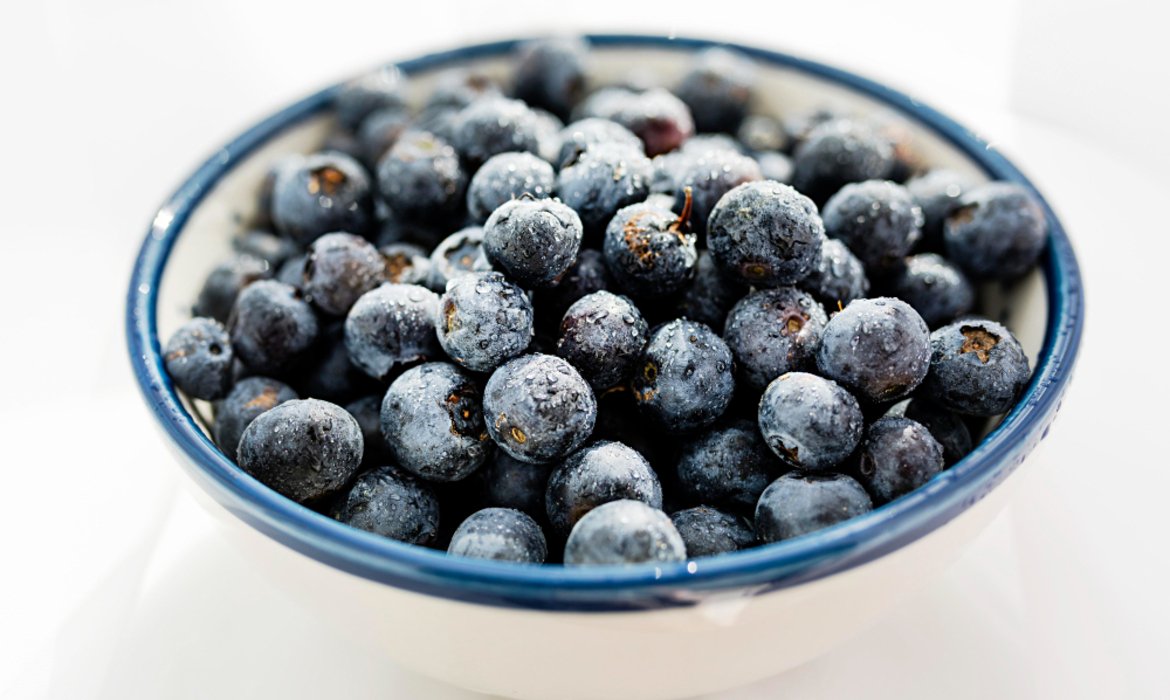
Blueberries are blue-purple berries rich in antioxidants, vitamins C and K and fibre. These berries are renowned for their positive effects on the eyes, the cardiovascular system and general health. Blueberries are often eaten fresh, dried or used in desserts and juices.
They have health benefits such as promoting heart health and improving cognitive function.
Blueberries are one of the most popular 'superfood' berries because of their rich content of antioxidants and vitamins, which help boost immunity, improve heart health and may have a positive effect on cognitive function. These berries are widely appreciated for their multiple health benefits and are therefore worth including in your daily diet.
For a simple way to enjoy the benefits of blueberries, it is recommended to choose blueberry powder or juice, which are natural, concentrated products that easily enrich the diet with the beneficial properties of blueberries without much preparation.
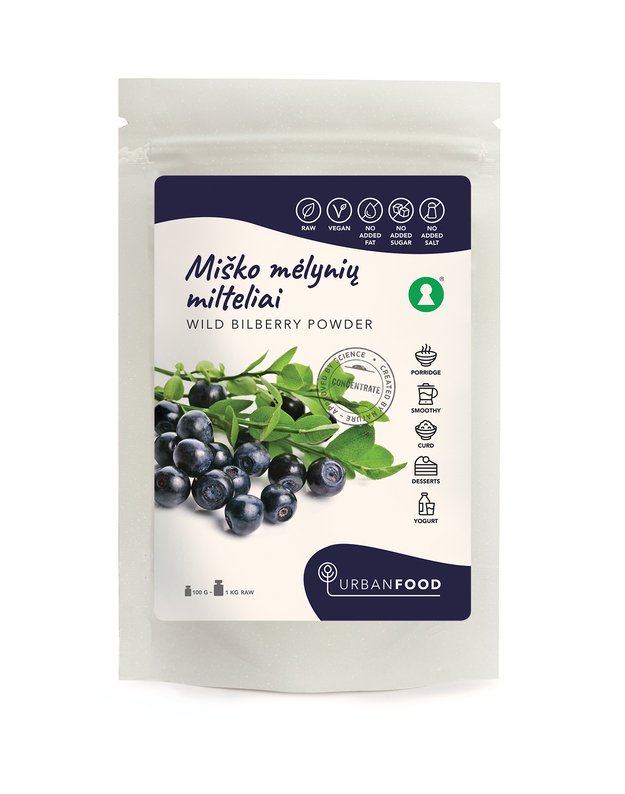
Blueberry Powder (Forest), 50-100 g - This high quality powder, made from 100% dried blueberries harvested from Lithuanian forests, is the perfect choice for those who want to supplement their diet with antioxidants and vitamins. One teaspoon of this powder is equivalent to 100 g of fresh blueberries, making it a convenient and nutritious way to include the benefits of blueberries. The powder is perfect for yoghurt, smoothies or cereals.

Blueberry (Forest) Juice, 500 ml - Concentrated, 100% natural blueberry juice with no additives, preserving all the valuable properties of the berries. It can be drunk neat or mixed into water, porridge or smoothies. It is the ideal product for those who want to enjoy the benefits of blueberries naturally and lead a healthier lifestyle.
Both of these blueberry products are vegan, gluten-free and free of added sugars, making them ideal for people who lead a healthy lifestyle.
The health benefits of blueberries, possible side effects and optimal ways to include blueberries in your diet, as well as their interaction with other foods, are covered in this article, below.
Blueberries can have health benefits including improved heart health, better cognitive function and improved digestion. They are rich in vitamins, minerals and antioxidants, making them an essential addition to a balanced diet. Blueberries are an excellent source of vitamin C, vitamin K and dietary fibre, which can contribute to overall health and well-being. Their high content of antioxidants, especially anthocyanins, makes them bright in colour and rich in health benefits.
Regular consumption of blueberries may be associated with better heart health, as they can lower blood pressure and LDL cholesterol levels. Their anti-inflammatory properties may help to mitigate the effects of chronic diseases including diabetes and cancer. In addition, studies show that these berries can improve cognitive function and reduce the risk of age-related mental decline.
Blueberries also support digestion due to their fibre content, which can promote a healthy gut and regular bowel movements. The low glycaemic index of blueberries makes them a good fruit for those who regulate their blood sugar levels.
Blueberries, when included in the diet, can help to maintain healthy skin as they are rich in antioxidants that can fight oxidative stress and maintain skin elasticity. Overall, the multiple benefits of blueberries can make them a valuable dietary choice for health and well-being.
Possible side effects of blueberries may include mild allergic reactions, digestive problems, interaction with anticoagulants and effects on blood sugar levels.
Blueberries are generally considered safe for most people, but some people may experience symptoms such as itching, swelling or gastrointestinal discomfort, especially those who are sensitive to other berries.
Due to their high dietary fibre content, too many blueberries can cause digestive problems such as bloating or gas. People with a sensitive digestive system may benefit from gradually incorporating blueberries into their diet.
For those taking anticoagulants such as warfarin, it is very important to monitor the intake of blueberries because of the vitamin K they contain, which can interfere with the effects of blood thinners.
In addition, diabetics should pay attention to portion size, as blueberries contain natural sugars that can affect blood glucose levels.
Excessive consumption of blueberries, like any other food, can contribute to an unbalanced diet, so it is important to exercise moderation.
Blueberries contain 44 calories, 5 g fat, 11,5 g carbohydrates and 0,7 g protein per 100 g.
Fibre and water content:
Blueberries can be a good source:
Foods that may contain blueberries:
Including one cup (about 100 g) of blueberries in your diet can have health benefits. This serving size helps to maximise the intake of essential nutrients, antioxidants and dietary fibre, thereby improving overall health.
To effectively incorporate blueberries into your diet, consider the following recommendations:
The following meal suggestions can help you enjoy the great taste of blueberries while maintaining a complete diet rich in vitamins and minerals.
It is important to consult your doctor if you have specific dietary problems or medical conditions that may require individual advice. Also, remember that drinking water is important for your overall health.
Yoghurt, especially Greek yoghurt, can offer probiotics to support gut health. The creamy texture and savoury taste of yoghurt can balance the acidity of blueberries and make a tasty and nutritious snack.
Nuts, such as almonds or walnuts, can provide healthy fats and protein, further enhancing the antioxidant profile of blueberries.
Turmeric may have strong anti-inflammatory properties, which may work in combination with the antioxidants in blueberries. Consumption of turmeric in combination with blueberries may enhance their protective effects against oxidative stress.
Yes, including blueberries in a balanced diet can help with weight loss due to their low calorie content and high fibre content, which can promote a feeling of satiety.
In addition, their natural sweetness can provide a healthier alternative to sugary snacks, which can reduce overall calorie intake.
The antioxidants in blueberries can also improve metabolism, further aiding weight management.
However, successful weight loss ultimately depends on a comprehensive approach that includes diet, exercise and lifestyle changes.
Blueberries can have a significant impact on blood sugar levels due to their low glycaemic index and high fibre content.
Blueberries can help improve insulin sensitivity and regulate blood glucose levels, making them a useful addition to the diet, especially for people with diabetes.
The antioxidants in blueberries may contribute to overall metabolic health, potentially reducing the risk of insulin resistance and related complications.
Certain foods, including blueberries, can interact with medicines and affect their effectiveness.
For example, blueberries can affect anticoagulants or antiplatelet drugs due to their vitamin K content, which plays an important role in blood clotting.
In addition, their natural compounds can enhance or inhibit the metabolism of specific drugs, affecting the results of treatment.
Individuals taking medication should consult their physician regarding dietary choices to minimize any potential interactions.



 FREE SHIPPING FOR ORDERS OVER 50 EUR IN LITHUANIA
 MADE IN LITHUANIA
 B2B
B2B