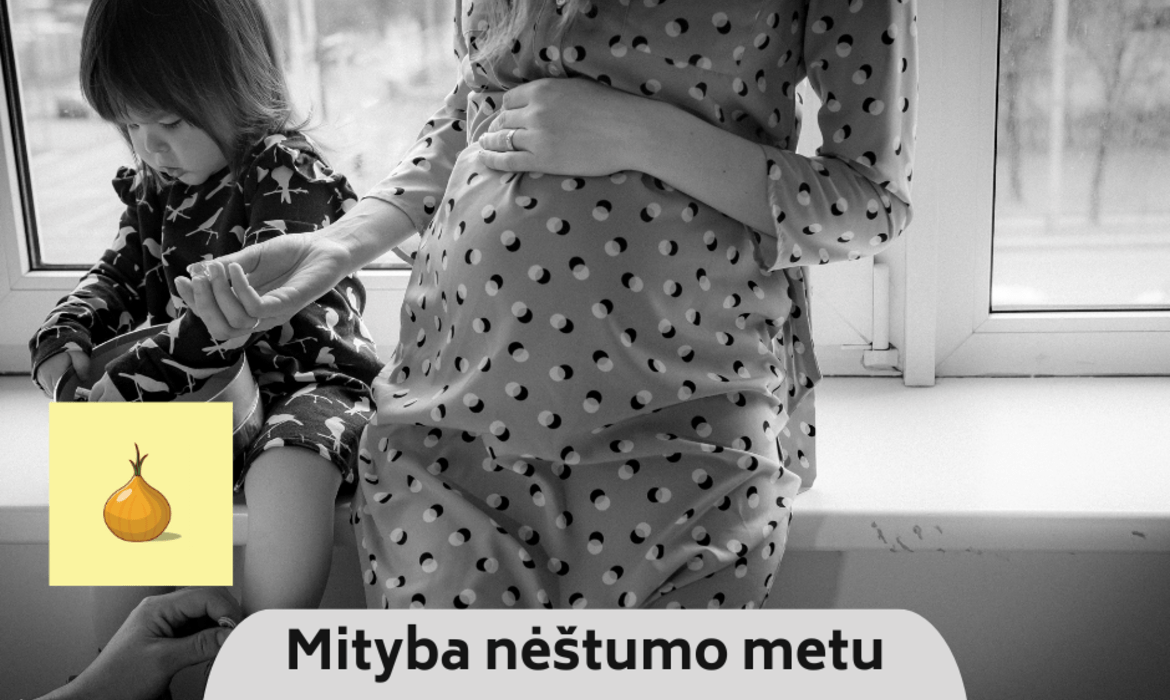
Birute, the creator of the Slogūnas blog, shares her personal experience.
As soon as you start planning a pregnancy, you will have to change your eating habits whether you like it or not. And not just because of the belief that it is necessary to switch to healthier products. But because, during pregnancy, a woman faces many new challenges: nausea, constipation, slowed digestion, bloating, etc.
Your doctor or personal nutritionist will tell you what specific changes to make, but I can share a few tips that have worked for me.
Take care of folic acid
It is recommended to consume at least 400 micrograms (0.4 milligrams) of folic acid every day for at least a month before conception, and then throughout pregnancy. This vitamin is involved in cell division and growth, which is why it is especially important during pregnancy. You can take folic acid supplements, but it's always better to get the maximum benefit from food.
Folic acid is found in millet, lentils, chickpeas, peanuts, hazelnuts, chicken or veal liver. Maybe I will surprise you, but during my pregnancy I made dishes from millet the first time in my life.
Eat more fiber
I've always struggled with being a little low on fiber in my diet, so at least during my pregnancy I set about correcting that mistake. Fiber helps prevent constipation, regulates blood sugar, and lowers cholesterol. By the way, fiber supports a healthy body weight, so you won't have to go through so much with abnormal weight changes during pregnancy.
It is important to try to eat at least 25-30 grams of fiber every day. During the first trimester when I was nauseous and didn't want to eat at all, getting more fiber was difficult, but during the second trimester I added more blackberries, raspberries, pears, apples (just don't peel!), peas, broccoli, barley and lentils.
Don't forget vitamin C
Maybe because there are a lot of viruses going around at the moment and in general my pregnancy was conceived in the cold season, my doctor immediately asked if I was getting enough vitamin C. Vitamin C is an excellent antioxidant, immunity booster and plays an important role in the baby's development processes.
Two of my favorite foods that I try to eat more - cranberries and broccoli. Cranberries are a great preventative measure for any urinary tract infections during pregnancy. Cranberries are safe to eat during all three trimesters. As for broccoli, it's a superstar vegetable in general because it's not only high in vitamin C, but also easy to digest.
Food that is easier to digest is a real lifesaver during the pregnancy
I have already mentioned the benefits of easily digestible broccoli, but during pregnancy it is extremely important that the food consumed does not complicate digestion. Porridge works well here. Mashing oatmeal breaks down the starch structure, making oatmeal easier for the stomach to digest than less processed products. Cereals are suitable for breakfast, lunch, dinner and can be integrated into sweet and salty dishes. During pregnancy, sometimes there is no energy or time to cook complex dishes, so porridges which are prepared extremely quickly are very helpful. Oatmeal was a real miracle for me when I was sick, because oats don't have any strong smell, so I forced myself to eat them when I had no appetite.
Easily digestible products also include toasted bread, white rice, bananas and eggs.
By the way, I noticed that during pregnancy it's really worth trying superfood in powder form, because you often won't be able to eat the amount of healthy products your body needs, but also you don't want to lose energy and nutrients.
I hope that my personal experience will be valuable to you and I wish you a peaceful pregnancy.



 FREE SHIPPING FOR ORDERS OVER 50 EUR IN LITHUANIA
 MADE IN LITHUANIA
 B2B
B2B