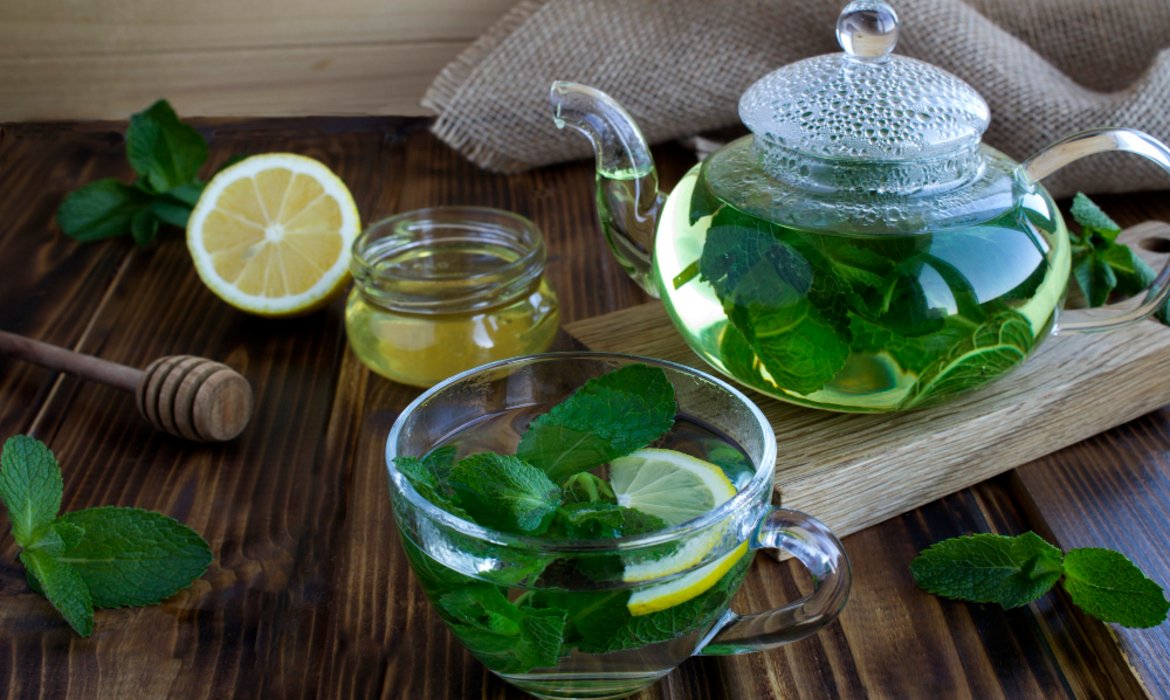
Mint tea is a drink made from mint leaves, which give it a fresh taste and aroma. It has a calming effect, can aid digestion, reduce bloating and ease breathing. Mint tea is often consumed both hot and cold.
The benefits of mint tea are worth talking about because it is not only refreshing, but also helps digestion, relieves bloating, soothes the respiratory tract and promotes relaxation. Mint tea is suitable both after a hard day and for relieving indigestion. Its beneficial properties make it easy to incorporate into daily life as a natural health remedy.
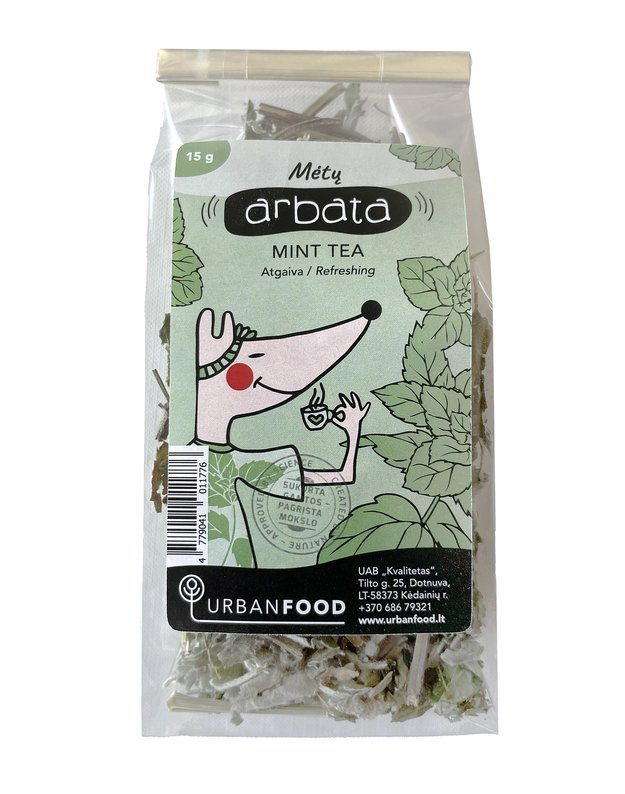
Mint tea "Atgaiva", 15 g, is a natural product, hand-picked and grown on our farm in Lithuania, which refreshes and soothes, aids digestion and promotes bile secretion. Its light and refreshing taste and aroma will make your everyday life more pleasant. Mint tea supports healthy digestion and has ancient benefits - since Roman times it has been valued for lifting the mood and calming the body. A real respite in a cup that is easy to prepare with hot water.
The health benefits of mint tea, possible side effects, proper dosage and preparation methods, additional ingredients in mint tea, as well as strategies to maximise its benefits and minimise its drawbacks are covered in this article, below.
Potential benefits of mint tea may include: improved digestion, headache relief, respiratory support, improved oral health and cognitive function.
Due to its rich antioxidant content, mint tea can help fight oxidative stress, support digestive health, relieve indigestion and bloating, and stimulate the production of bile for better nutrient absorption.
Menthol in mint can have a calming effect, making it a natural remedy for headaches and migraines by relaxing muscles and relieving tension.
The anti-inflammatory properties of mint can help relieve respiratory conditions such as allergies and asthma by clearing the nasal passages and soothing the throat.
Mint tea may also have antimicrobial properties, which can help fight infections and promote oral health by reducing bacteria in the mouth.
Regular consumption of mint tea can improve cognitive function and mood, making it a useful addition to daily routines.
Possible side effects of mint tea may include allergic reactions, exacerbation of GERD symptoms and digestive problems.
One of the most common concerns is the possibility of allergic reactions in sensitive individuals. Symptoms can include skin rashes, itching or respiratory problems, so caution is needed for those allergic to mint or related plants.
In addition, mint tea may aggravate the symptoms of gastroesophageal reflux disease. The relaxing effect of peppermint on the lower oesophageal sphincter can cause stomach acid to flow back into the oesophagus, which may cause heartburn or discomfort.
Individuals prone to such symptoms should control their consumption of mint tea accordingly.
Excessive amounts of mint tea may cause digestive problems including nausea or diarrhoea. This is especially true for those who consume large quantities in a short period of time.
Most adults are recommended to consume 1 to 3 cups of mint tea per day. This moderate consumption can aid digestion, improve cognitive function and provide a calming effect.
For specific results, such as relief of digestive discomfort, drinking a cup of mint tea about 30 minutes after a meal can achieve ideal results. Conversely, for individuals wishing to take advantage of the calming properties, taking mint in the evening can be particularly effective.
Although mint tea is generally well tolerated, it is necessary to listen to your body and adjust the dose accordingly. If you experience adverse reactions or health problems, it is important to consult your doctor before regular use.
Mint tea can increase health benefits when combined with certain supplements and foods.
For example, combining mint tea with ginger can enhance digestive properties, as ginger has anti-inflammatory properties and the ability to relieve stomach discomfort, which makes it particularly useful after meals.
Adding honey to mint tea can be not only sweet but also beneficial to health. Honey can have antimicrobial properties and can help soothe sore throats by complementing the soothing effects of mint tea.
The addition of a slice of lemon can increase vitamin C intake, boost the immune system and provide a refreshing taste.
Turmeric can also be an excellent addition to mint tea. Turmeric is known for its strong anti-inflammatory and antioxidant properties, and when used in combination with mint can support overall health.
Combining mint tea with dark chocolate can make a great treat and the flavonoids in dark chocolate can further improve heart health.
Additional herbal supplements such as chamomile or valerian root mixed with mint tea can promote relaxation, making it an ideal choice before bedtime.
These combinations not only improve the taste but also synergistically increase the health benefits of mint tea.
Mint tea can have a positive effect on sleep quality due to its calming properties.
The aroma of peppermint may also contribute to a calming environment that is conducive to sleep.
However, individual reactions may vary and excessive consumption of any beverage at bedtime may lead to increased urination and disturb sleep patterns.
Mint tea may be safe during pregnancy when consumed in moderation.
However, it is advisable to consult your doctor before including it in your diet, as individual circumstances may vary.
Excessive consumption can potentially lead to complications such as heartburn or digestive problems.
Therefore, moderation and professional advice are key to ensuring safety during pregnancy.
Mint tea can interact with certain medicines, potentially affecting their effectiveness or increasing side effects.
For example, it may affect the metabolism of medicines processed in the liver, particularly those involving cytochrome P450 enzymes.
In addition, the antacid properties of mint tea may alter the absorption of some drugs.
Persons taking medicines should consult a doctor before taking mint tea regularly to ensure safe and effective results of treatment.


 FREE SHIPPING FOR ORDERS OVER 50 EUR IN LITHUANIA
 MADE IN LITHUANIA
 B2B
B2B