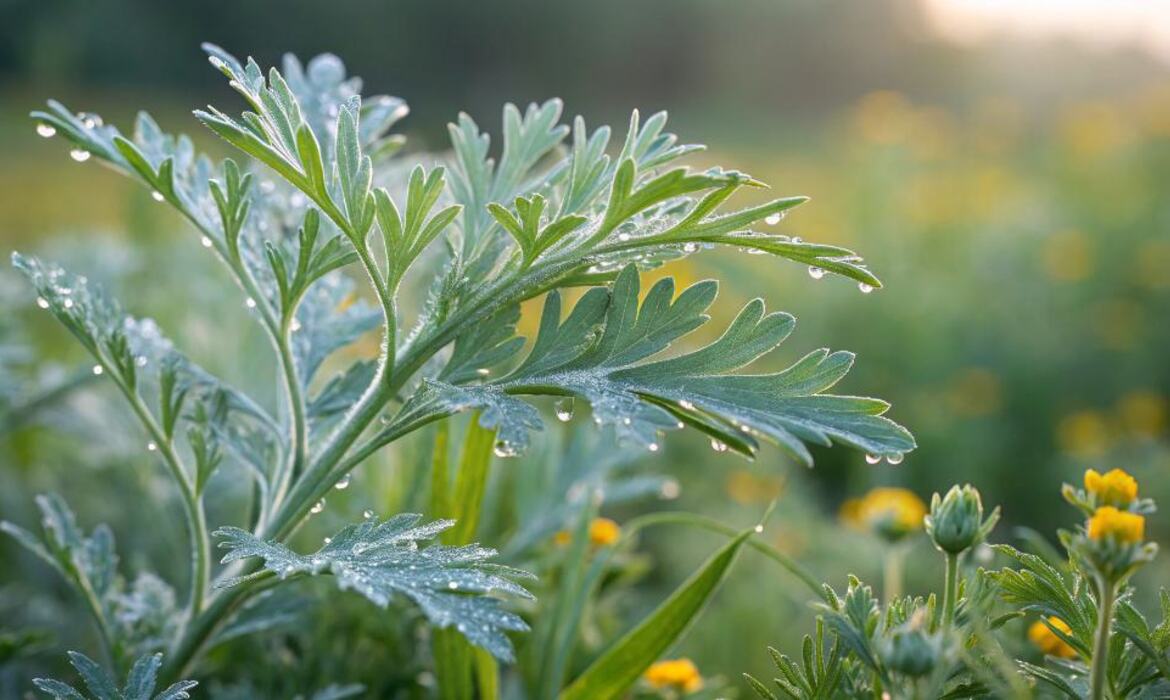
Wormwood is an herb widely known in traditional medicine for its potential health benefits. It is valued for its ability to promote digestive health, support immune function and fight intestinal parasites. However, when consuming wormwood, it is important to take into account the potential risks, including the risk of toxicity, and it is therefore important to take precautions. The balance between the benefits and risks of this herb is discussed below.
Wormwood is known for its anti-inflammatory, digestive, antioxidant and neuroprotective properties.
Wormwood also stimulates the production of glutathione, a crucial antioxidant for brain function. This property, along with other beneficial properties, highlights wormwood's potential to contribute to overall health and well-being.
Wormwood may have a variety of therapeutic properties, including possible aid to the digestive system, antiparasitic and anti-inflammatory effects, antimicrobial properties, liver protection, antioxidant and neuroprotective effects, and possible mood-enhancing effects.
The herb may stimulate the production of gastric juices and bile, helping to relieve bloating, gas and discomfort caused by indigestion. Wormwood may also be useful for gall bladder problems or gastrointestinal disorders. Due to its potential anti-parasitic properties, it can help get rid of intestinal parasites and other harmful micro-organisms affecting the body.
Artemisinin in wormwood may have an anti-inflammatory effect, which could help to reduce inflammation and pain in diseases such as osteoarthritis, rheumatoid arthritis or Crohn's disease. Its potential antispasmodic properties may contribute to the reduction of gastrointestinal spasms. Antimicrobial and antifungal effects may help to inhibit the growth of disease-causing micro-organisms and strengthen the immune system, thus protecting against possible infections.
Thujone, the active compound in wormwood, may provide a protective and antioxidant effect on the liver, which could help to combat free radical damage. In addition, wormwood may have a beneficial effect in neurological diseases as it can stimulate the production of serotonin, which may contribute to improving mood and reducing symptoms of depression.
Wormwood tea may have a variety of health benefits, including improved digestive health, antiparasitic properties, anti-inflammatory effects, neuroprotective support and possible liver protection.
Wormwood tea may stimulate digestion by increasing salivation, stomach acid production and bowel movements. It may help reduce symptoms of indigestion, bloating and discomfort and may also be effective in removing harmful organisms such as Helicobacter pylori. In addition, wormwood tea can help to neutralise intestinal parasites and promote their elimination, and is therefore traditionally used as a remedy for parasitic infections.
Its anti-inflammatory properties can help reduce inflammation and pain, especially in disorders such as arthritis. Wormwood tea can also increase the production of hydrochloric acid, which supports the overall digestive process.
Wormwood tea may have neuroprotective effects, possibly by stimulating serotonin production and supporting brain health. It may also help to protect the liver from oxidative damage and inflammation, thus contributing to overall well-being.
Grown and hand-picked on our farm, it has many good qualities. It has a bactericidal action. Improves digestion. For the prevention of intestinal parasites. Also suitable for animals. Ingredients: 100% medicinal wormwood (bitter chickweed).
You can buy it by clicking here
Although wormwood can provide health benefits, it is important to be aware of the potential risks and side-effects, especially with regard to thujone, the active compound found in wormwood.
Risk of thujone toxicity
Thujone can cause neurotoxicity, including convulsions, seizures and muscle spasms, because it acts as a GABA A receptor antagonist. This is particularly dangerous for people with neurological diseases such as epilepsy. Studies show that high doses of thujone can cause severe damage to the body, including brain, kidney and liver damage.
Allergic reactions and sensitivities
Some people may experience allergic reactions to wormwood, so it is especially important to take it with caution if you have known allergies or health problems.
Dose and risk dependence
The toxic effects of thujone depend on the dose consumed. High doses can cause severe symptoms such as vomiting, kidney failure or even life-threatening side effects. Even low doses can be dangerous as the safe limit of administration is narrow.
Regulatory restrictions
Regulatory authorities such as the FDA limit thujone levels in products to 10 ppm to reduce potential risks. In addition, the EU strictly controls the use of absinthe due to the psychoactive effects of thujone.
Vulnerable groups
There is a lack of detailed information on the effects of thujone on vulnerable groups such as pregnant women, children or people with certain medical conditions. These people are therefore advised to avoid wormwood products.
Wormwood can cause allergic reactions which are particularly dangerous for sensitive individuals. Common reactions include:
Oral allergy syndrome may also be common in people who react to cross-reactive allergens in foods related to wormwood. The risk of symptoms is highest in late summer and autumn (July-November), when pollen concentrations in the air are highest.
Risk groups
Increased risk groups include:
Cross-reactivity with other Artemisia species and the presence of similar allergens in other plants further increases the likelihood of reactions.
Allergy management and prevention
To reduce the risk of allergic reactions, it is advisable to avoid contact with wormwood pollen at its peak. Allergy tests and immunotherapy can help to identify sensitivities and manage reactions. In addition, people with known allergies or health problems should consult a doctor before using wormwood products.
Such precautions will ensure a safer approach to the potential benefits of wormwood and help avoid adverse effects.
Wormwood can be used in a variety of ways, including wormwood tea, tincture, poultice and liquid extract, to take advantage of its potential beneficial properties.
Wormwood tea
Wormwood tea is the most popular method. To prepare it, use 1 teaspoon of dried wormwood leaves and pour 1 cup of boiling water over them. Leave to soak for 10 minutes, then strain and allow to cool. The tea can be drunk up to twice a day for up to four weeks. It can help maintain gastrointestinal health, reduce indigestion and bloating.
Wormwood tincture
To prepare the tincture, mix 10 g of dried or fresh wormwood leaves with 100 ml of grain alcohol in a clean glass container. Shake well and leave to swell for 15 days in a dark place. Then strain the mixture. The recommended dose is 15-20 drops diluted in half a glass of water, taken 2-3 times a day.
Wormwood compresses
For topical use, you can prepare a wormwood poultice: soak a gauze or cotton wool pad in wormwood tea and apply to the affected areas. This can be useful for gout, arthritis or other inflammatory conditions.
Liquid extract
Wormwood liquid extract can be used to support bowel health. The dose is 2 ml of the extract, taken on an empty stomach every 15 days as needed.
These preparations show the versatility of wormwood in home remedies. However, before using wormwood products, it is necessary to consult a doctor to ensure safety and proper use. It is also important to drink enough water to avoid dehydration.
Wormwood can benefit the digestive system due to its ability to stimulate digestion, increase appetite and support gall bladder function. It helps with various intestinal problems and improves the overall functioning of the digestive system. However, it is important not to overuse it, as excessive consumption can cause adverse effects due to thujone, which can damage the digestive tract.
Stimulating digestion and appetite
Wormwood stimulates digestion by activating bitter taste receptors, which signal the brain to activate salivation, increase the production of stomach acid and stimulate bowel movements. This mechanism helps in the efficient digestion of food and absorption of nutrients.
Wormwood can also stimulate bile production in the liver and improve the secretion of digestive enzymes. This effect can reduce bloating, alleviate indigestion and help with problems associated with low stomach acid.
In addition, wormwood may be beneficial for individuals with a lack of appetite, including those who suffer from anorexia or lack of appetite. Drinking wormwood tea before meals can naturally stimulate the appetite and improve digestive functions.
Wormwood can be useful for a wide range of intestinal problems, including intestinal parasites, inflammation and digestive disorders.
Historically, wormwood has been used to combat intestinal worms such as sponges, roundworms and tapeworms. It is often combined with black walnut and cloves to enhance its antiparasitic effects. This plant remains an effective natural solution for the management of parasitic infections.
Wormwood can also help reduce intestinal inflammation, which is useful in diseases such as Crohn's disease or small intestinal bacterial overgrowth (SIBO). Its anti-inflammatory properties, associated with artemisinin, can reduce inflammation in the gastrointestinal tract and improve overall digestive function.
In addition, wormwood can alleviate indigestion, bloating and gas. Its ability to stimulate the production of digestive enzymes and bile helps to improve nutrient absorption and reduce discomfort.
These properties make wormwood a useful natural ally in solving intestinal problems and supporting a healthier digestive system. However, it is recommended to consult a physician before using wormwood preparations to ensure proper and safe use.
Wormwood can benefit the immune system due to its antimicrobial, antioxidant and digestive health enhancing properties. Its ability to support gut flora, fight oxidative stress and contribute to liver detoxification makes it a valuable ally of the immune system.
Antimicrobial properties
Wormwood contains compounds with antibacterial, antifungal and antiparasitic properties, which help to fight harmful pathogens and protect the body against infections.
Antioxidant effect
Wormwood, rich in antioxidants such as chamazulene, can help reduce oxidative stress. This is important for the immune system as oxidative stress weakens the body's resistance to disease.
Liver support
Wormwood can promote liver detoxification, helping the body to remove toxins more efficiently. This leads to a better functioning of the immune system and an overall strengthening of the body's defences.
Balancing the gut microbiome
Wormwood can help eliminate harmful bacteria by maintaining a healthy gut microbiome, which is essential for the proper functioning of the immune system. The link between the gut and the immune system highlights the importance of maintaining a balanced gut flora.
Including wormwood in a daily health regime can strengthen the immune system and increase resistance to infections. However, it is important to consult a doctor before taking wormwood preparations to ensure their safe and appropriate use.
Wormwood has long been used to improve digestive health, relieve menstrual pains and fight parasitic infections. It helps with irritable bowel syndrome (IBS), small intestinal bacterial overgrowth (SIBO) and gallbladder problems by stimulating the production of digestive enzymes and stomach acid.
Wormwood tea can be made by brewing 1/2-1 teaspoon of the herb in boiling water. Tinctures are made by steeping the leaves in strong alcohol. Wormwood is often combined with peppermint to enhance the effect.
Caution is needed with thujone, which can be toxic in large doses. Wormwood should not be used by pregnant women and should not be used for more than four weeks.
Use wormwood responsibly and consult your doctor to ensure safety.
Due to its potential toxicity, wormwood should be used with extreme caution and only after consulting a veterinarian. Although it may have a therapeutic effect, the safety and appropriate dose have not been sufficiently studied.
Wormwood was used in ancient civilisations such as the Egyptians and Sumerians to treat digestive disorders, infections and repel insects. This underlines its long-standing importance in traditional medicine.
Yes, wormwood can interact with anticonvulsants, warfarin and other drugs, reducing their effectiveness or increasing the risk of side-effects such as bleeding or neurological disorders. It is necessary to consult a doctor before using wormwood in combination with medicines.
Wormwood can have a positive effect on mental health due to its potential neuroprotective and antidepressant effects. It can stimulate serotonin production and reduce symptoms of anxiety, improving cognitive function.
Wormwood is not safe for children because of thujone, which can be toxic and cause neurological or kidney problems. Wormwood is not recommended for children under any circumstances without medical advice.
Wormwood can have health benefits, especially for supporting the digestive system and boosting immunity. Its traditional use in the treatment of gastrointestinal disorders and in the fight against intestinal parasites highlights its medicinal potential. However, precautions should be taken due to possible toxicity and side effects.
Proper preparation and responsible use of wormwood are essential to maximise its benefits and avoid potential risks. Wormwood remains a valuable herb in both traditional and modern medicine, but it is always advisable to consult a doctor before taking it.



 FREE SHIPPING FOR ORDERS OVER 50 EUR IN LITHUANIA
 MADE IN LITHUANIA
 B2B
B2B